Get Repeatable Results Without Relying on Repeatable People
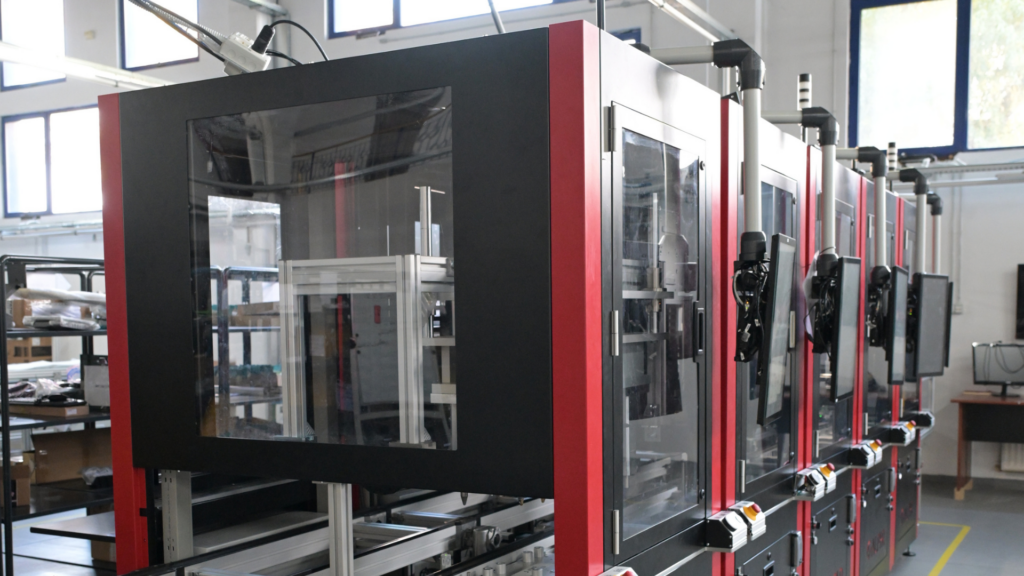
If there’s one thing every manufacturer values, it’s consistency. The same product, assembled the same way, at the same level of quality, every single time. But for many production lines that rely on manual operators, consistency can be hard to come by. One operator might be fast but less accurate. Another might be methodical but slower. And no matter how well-trained or experienced your team is, humans naturally vary in how they work.
How to Put an End to Unplanned Maintenance Interruptions
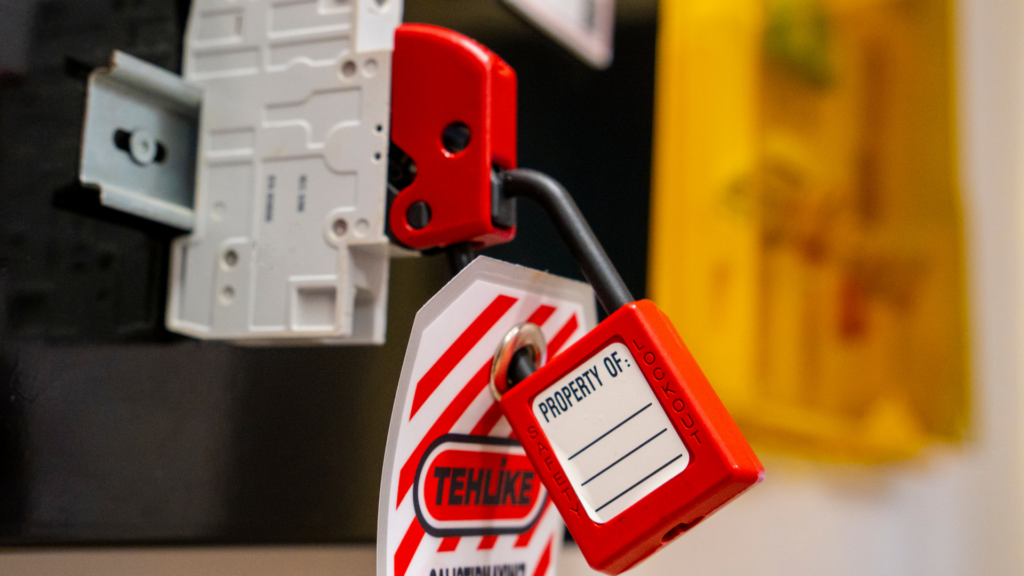
We’ve all been there. One minute, your production line is running smoothly, and the next, everything comes to a grinding halt. An unexpected failure. A worn-out part. A system that doesn’t tell you what’s going wrong until it’s already stopped working.
Leadership Announcement: Gary Haynes Appointed Group Managing Director
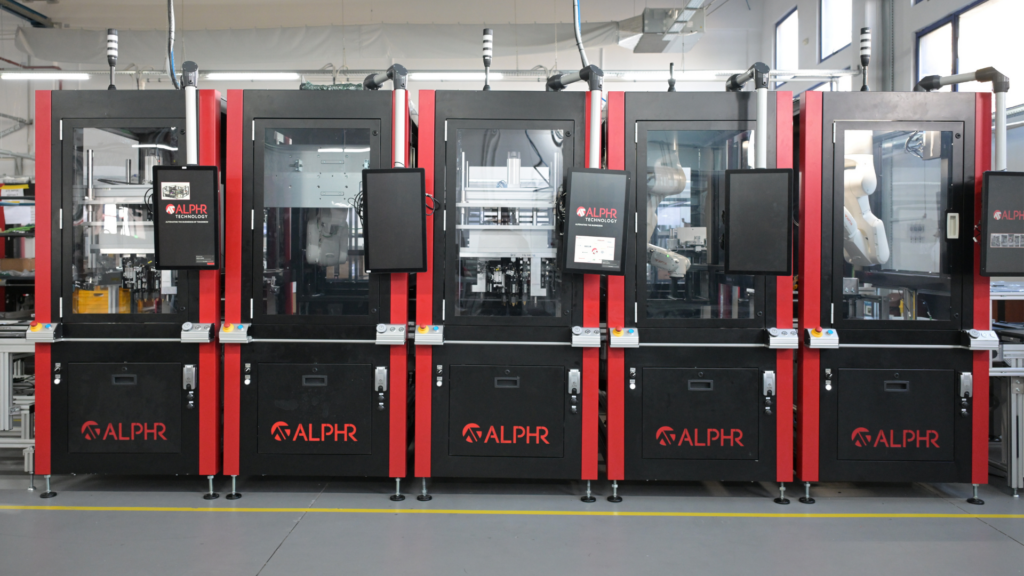
ALPHR Technology today announced a change in leadership. Iqbal Kazi, Group Managing Director, has stepped down from his position effective Friday, April 17th, 2026. The Board at Indutrade extends its gratitude to Iqbal for his five years of commitment and leadership and wishes him the very best in his future endeavours.
How to Catch Assembly Errors Before They Happen
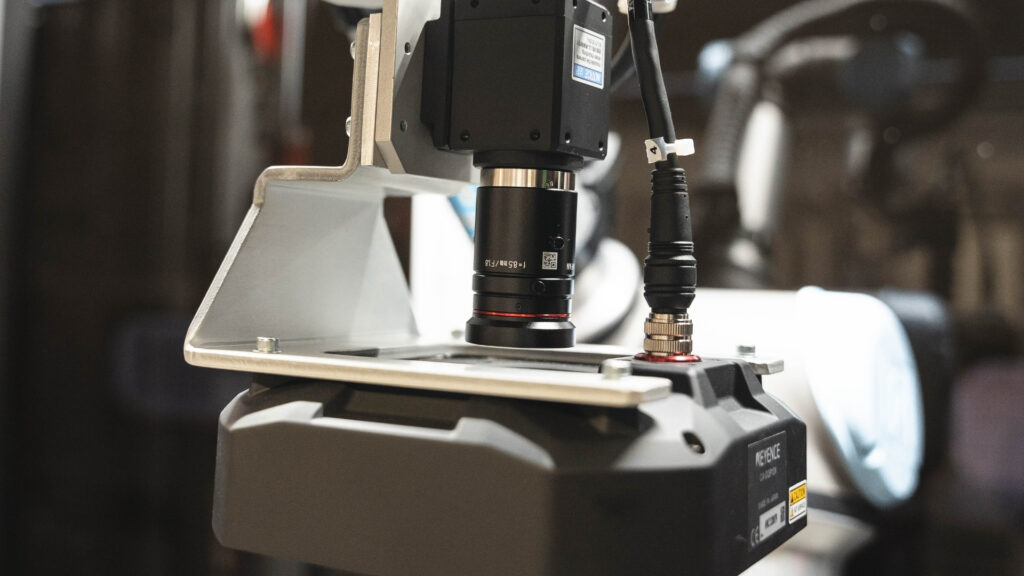
When you’re trying to maintain high product quality, relying on manual checks and operator judgement just isn’t enough anymore. You need to know, not guess, that every step of the assembly process has been completed correctly. That each part is where it should be. That torque was applied properly. That nothing was missed or misaligned.
Disconnected Systems Are Holding You Back
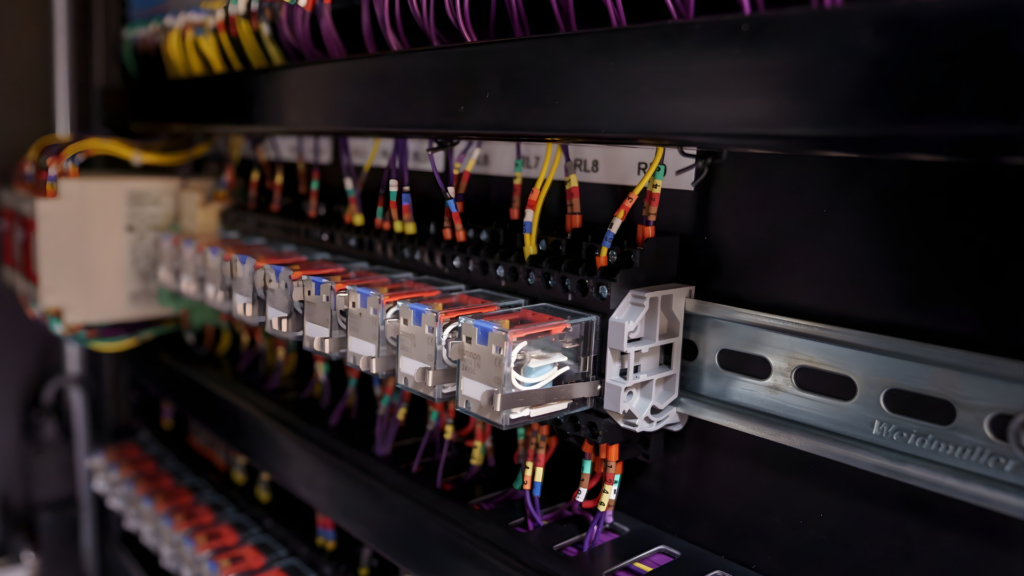
You can have the most skilled operators, a brilliant production plan, and a great product, but if your shop floor systems can’t talk to the rest of your business, you’re flying blind. We hear it all the time. Manual stations that rely on hand-written records. Test benches that run in isolation. Equipment from a decade ago that won’t communicate with your ERP, MRP, or SAP system. And the result? Slow decision-making, patchy data, and frustrating inefficiencies.
Struggling with Low OEE? Here’s How to Turn It Around
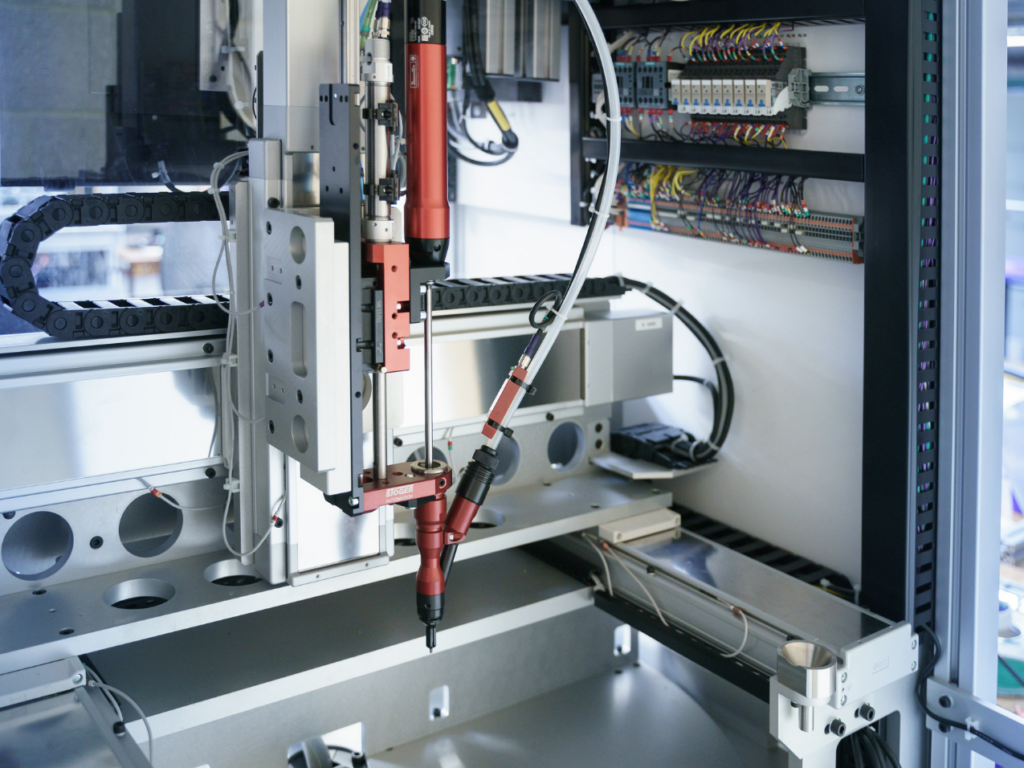
If your production line’s OEE isn’t where it should be, you’re not alone. It’s one of the most common frustrations we hear from manufacturers. Whether it’s unpredictable cycle times, a higher-than-expected failure rate, or processes that just don’t repeat as cleanly as they should, low OEE doesn’t just hurt performance; it eats into profit, creates bottlenecks, and undermines customer confidence.
Tired of Inconsistencies? It’s Time to Rethink Manual Operations
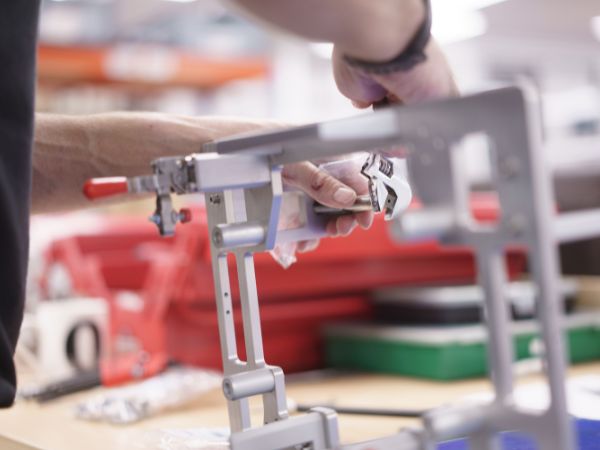
Every business wants to deliver high-quality products consistently, on time, and without surprises. But when manual operations form the backbone of production, keeping that promise can be harder than it should be. Maybe your team is dealing with non-repeatable cycle times. Maybe you’re catching missing components during end-of-line inspection or worse, after shipping. Perhaps torque-critical operations rely too much on “feel,” and you’re seeing variation creep into your results. And let’s not forget the impact of operator availability: absences, high turnover, and the constant need for training can disrupt even the best-laid plans.
How to Eliminate Blind Spots in Your Manufacturing Process
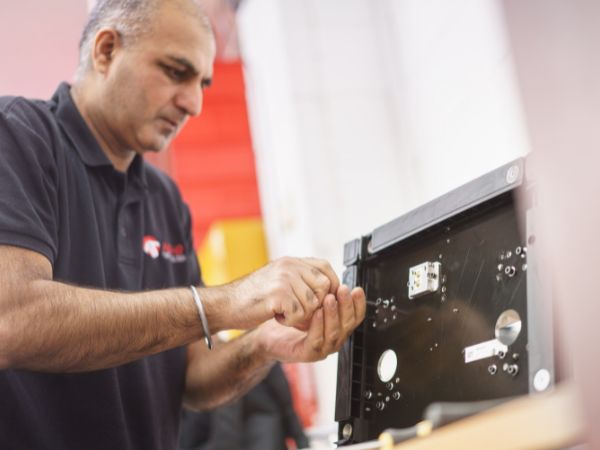
Imagine this. A component fails in the field, and your customer asks for a full investigation. You need to know when it was assembled, who worked on it, whether it passed all tests, and if the correct parts were used. Now imagine not being able to answer those questions with confidence. That’s the reality for many manufacturers still relying on manual processes and disconnected systems. Without traceability, you’re left guessing, chasing down paper records, checking spreadsheets, and hoping someone remembers what happened.
Are Non-Value Added Steps Slowing You Down?
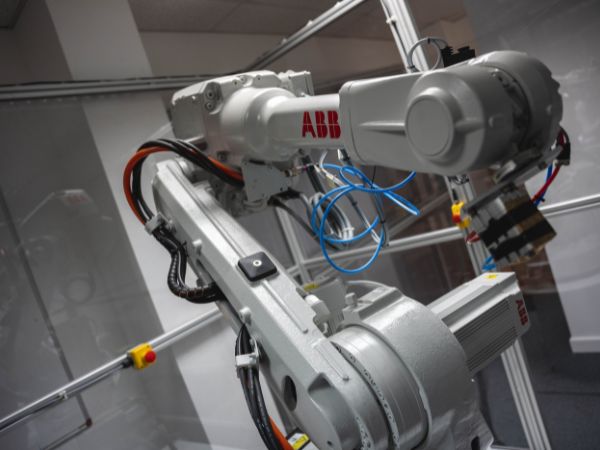
When you’re trying to improve efficiency on the shop floor, it’s often the little things that get overlooked. Manually entering test results. Loading and unloading parts into a test station by hand. Tapping keys. Moving trays. Scanning barcodes. Clicking “Next.” None of these tasks make the product any better. They don’t improve quality. They don’t boost customer satisfaction. And yet, they eat up time, introduce opportunities for error, and add cost to every unit you produce. We help manufacturers identify and remove these non-value added steps, because real efficiency means spending time on what actually moves the needle.
Let’s Talk About Labour Challenges & How Automation Can Solve Them
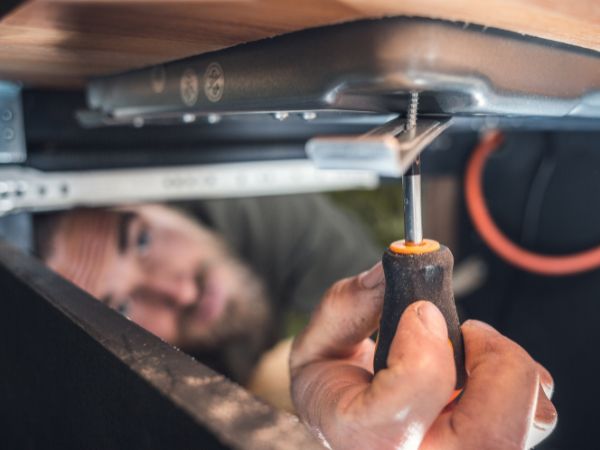
In any manufacturing business, people are the driving force. But we all know that relying heavily on manual labour can bring with it some real challenges, especially in today’s high-pressure production environments. You may be facing this already. High staff turnover, inconsistent results from operator to operator, a constant need to train new people, and the strain of physically demanding work. These issues don’t just slow things down, they eat away at quality, productivity, and your bottom line.