Struggling to Understand Why Failures Happen? You’re Not Alone
It’s one of the most frustrating parts of manufacturing. A product fails, maybe during testing, maybe out in the field, and you’re left asking: What went wrong? Where did it happen? And why wasn’t it caught sooner? But here’s the real problem: if your systems are manual, you might not have the answers.
How to Stop Losing Time to Long Tooling Changeovers
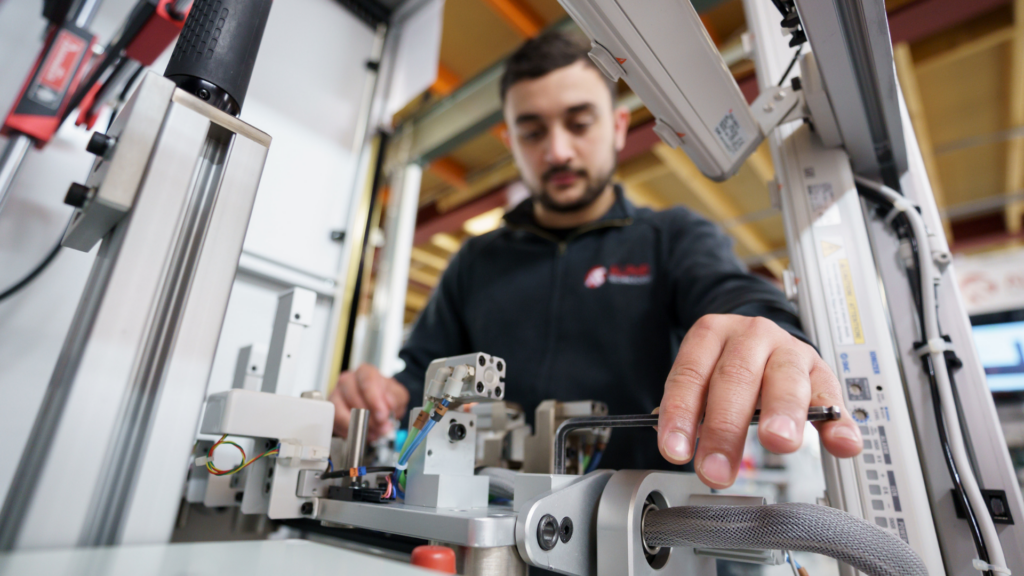
Changeovers are a fact of life in modern manufacturing, especially if you’re running multiple product variants through the same line. But how much time are you losing every time you have to stop everything, swap out tooling, and reset the line?
Predictable TAKT Time Means Predictable Costs
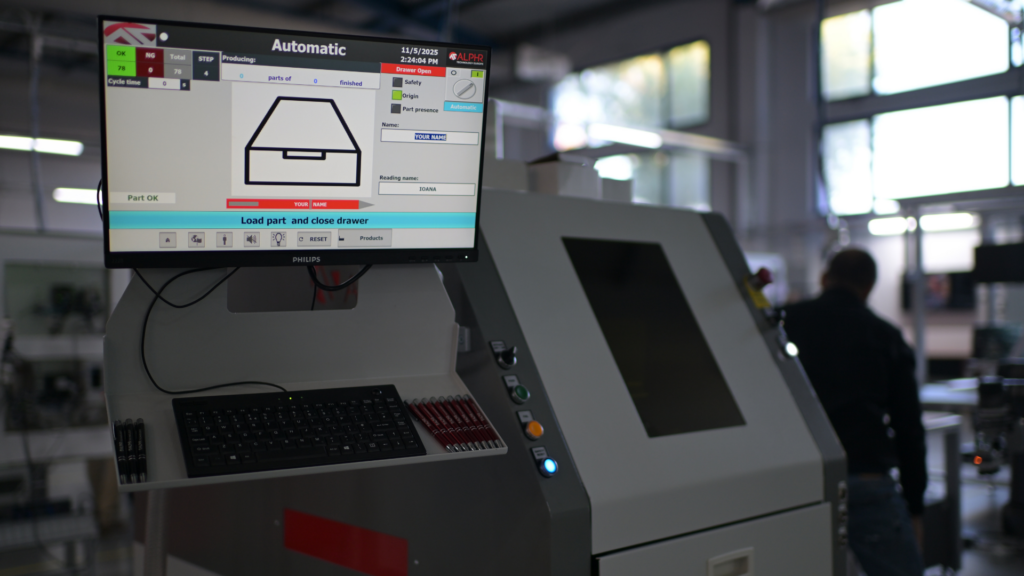
When your margins are tight and customer deadlines are tighter, predictability becomes a serious competitive advantage. And one of the most important factors in predictable manufacturing? Knowing exactly how long each part takes to make, every single time.
When Your Process Isn’t in Control, Neither is Your Cost
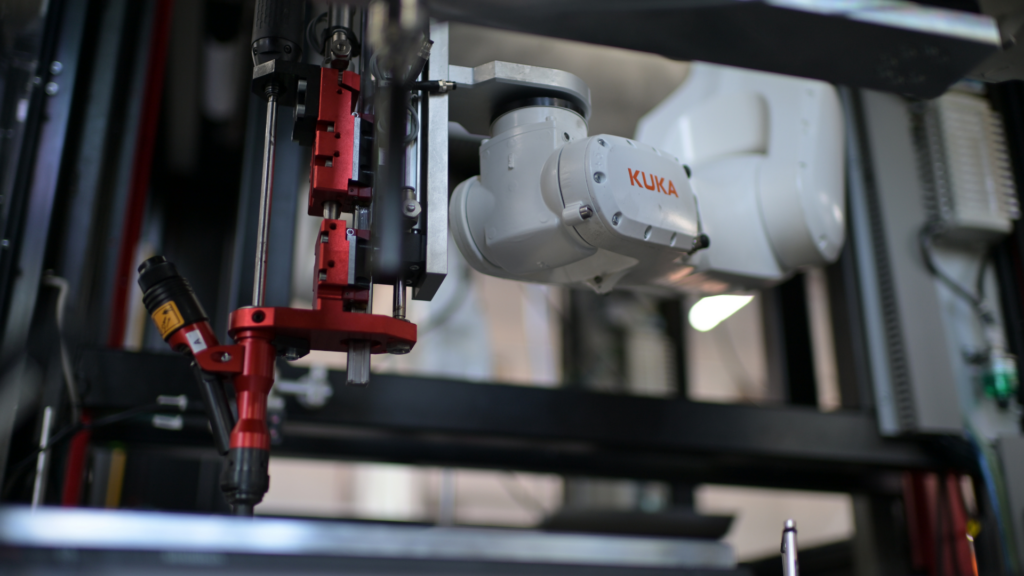
Some days the line runs smoothly. Other days, the same process seems to fall apart for no clear reason. One batch flies through with barely a hiccup. The next? Slower cycles, higher scrap rates, and a few too many quality concerns. Sound familiar? This kind of unpredictability can quietly eat away at your productivity and your profits. When your processes aren’t tightly controlled, things start to vary. Quality, throughput, and ultimately, your cost per part. It’s not always dramatic, but over time, the impact is significant.
Get Repeatable Results Without Relying on Repeatable People
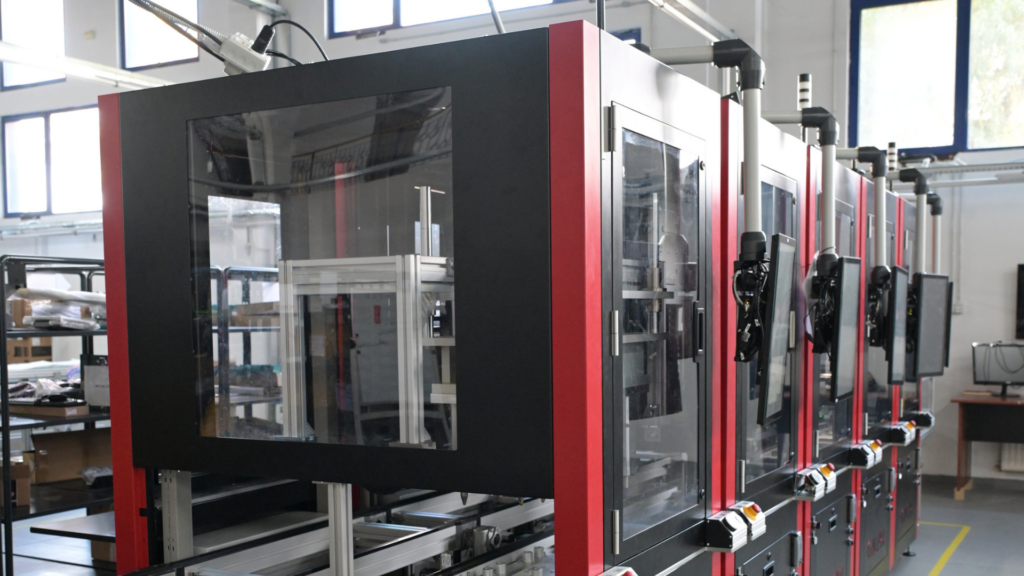
If there’s one thing every manufacturer values, it’s consistency. The same product, assembled the same way, at the same level of quality, every single time. But for many production lines that rely on manual operators, consistency can be hard to come by. One operator might be fast but less accurate. Another might be methodical but slower. And no matter how well-trained or experienced your team is, humans naturally vary in how they work.
How to Put an End to Unplanned Maintenance Interruptions
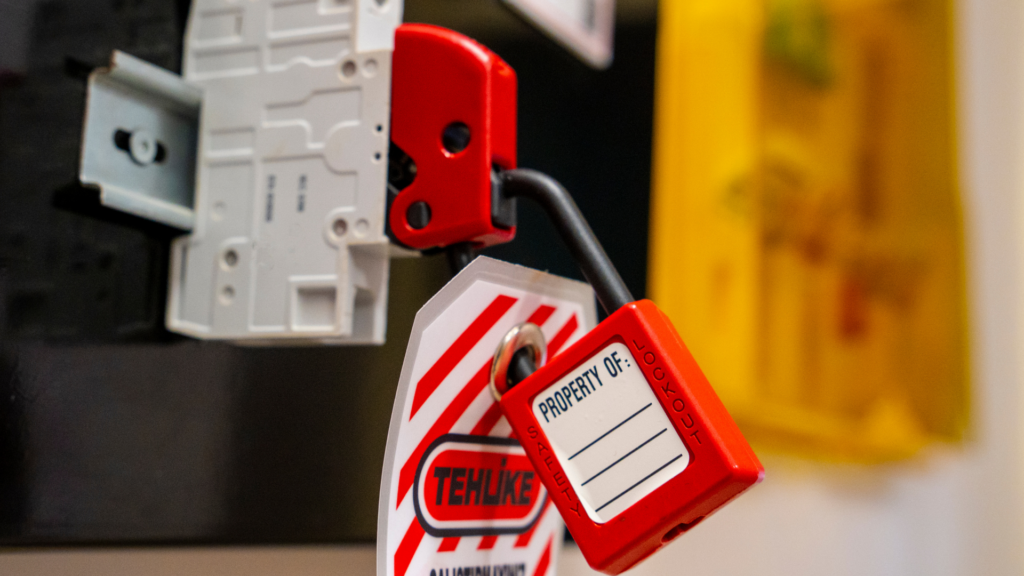
We’ve all been there. One minute, your production line is running smoothly, and the next, everything comes to a grinding halt. An unexpected failure. A worn-out part. A system that doesn’t tell you what’s going wrong until it’s already stopped working.
How to Catch Assembly Errors Before They Happen
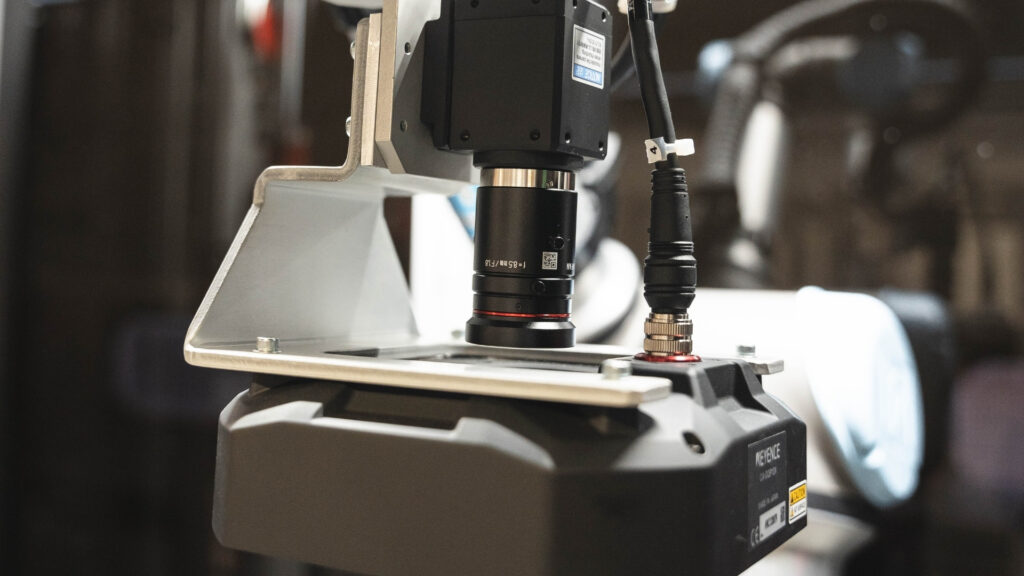
When you’re trying to maintain high product quality, relying on manual checks and operator judgement just isn’t enough anymore. You need to know, not guess, that every step of the assembly process has been completed correctly. That each part is where it should be. That torque was applied properly. That nothing was missed or misaligned.
Disconnected Systems Are Holding You Back
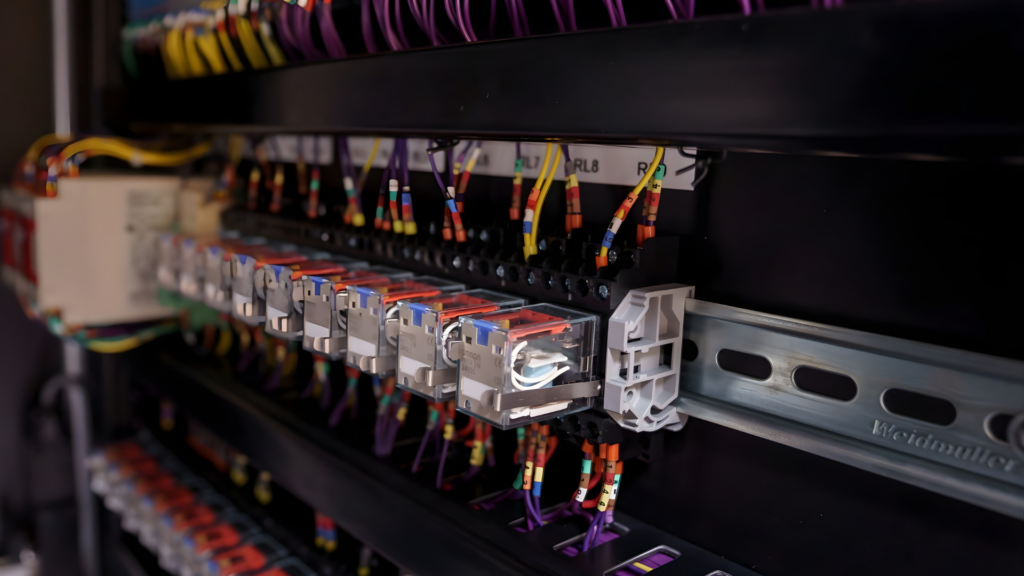
You can have the most skilled operators, a brilliant production plan, and a great product, but if your shop floor systems can’t talk to the rest of your business, you’re flying blind. We hear it all the time. Manual stations that rely on hand-written records. Test benches that run in isolation. Equipment from a decade ago that won’t communicate with your ERP, MRP, or SAP system. And the result? Slow decision-making, patchy data, and frustrating inefficiencies.
Struggling with Low OEE? Here’s How to Turn It Around
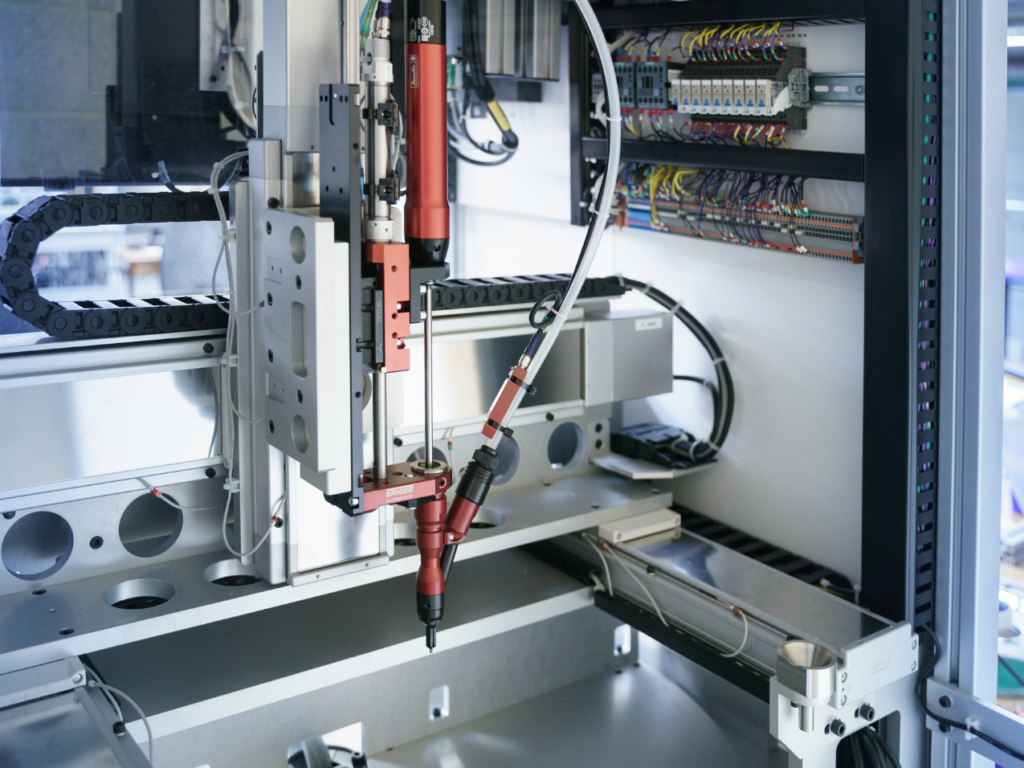
If your production line’s OEE isn’t where it should be, you’re not alone. It’s one of the most common frustrations we hear from manufacturers. Whether it’s unpredictable cycle times, a higher-than-expected failure rate, or processes that just don’t repeat as cleanly as they should, low OEE doesn’t just hurt performance; it eats into profit, creates bottlenecks, and undermines customer confidence.
Tired of Inconsistencies? It’s Time to Rethink Manual Operations
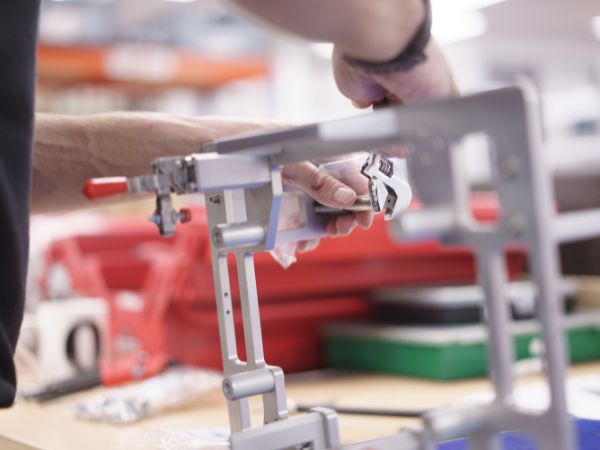
Every business wants to deliver high-quality products consistently, on time, and without surprises. But when manual operations form the backbone of production, keeping that promise can be harder than it should be. Maybe your team is dealing with non-repeatable cycle times. Maybe you’re catching missing components during end-of-line inspection or worse, after shipping. Perhaps torque-critical operations rely too much on “feel,” and you’re seeing variation creep into your results. And let’s not forget the impact of operator availability: absences, high turnover, and the constant need for training can disrupt even the best-laid plans.